
 7.2
Writing
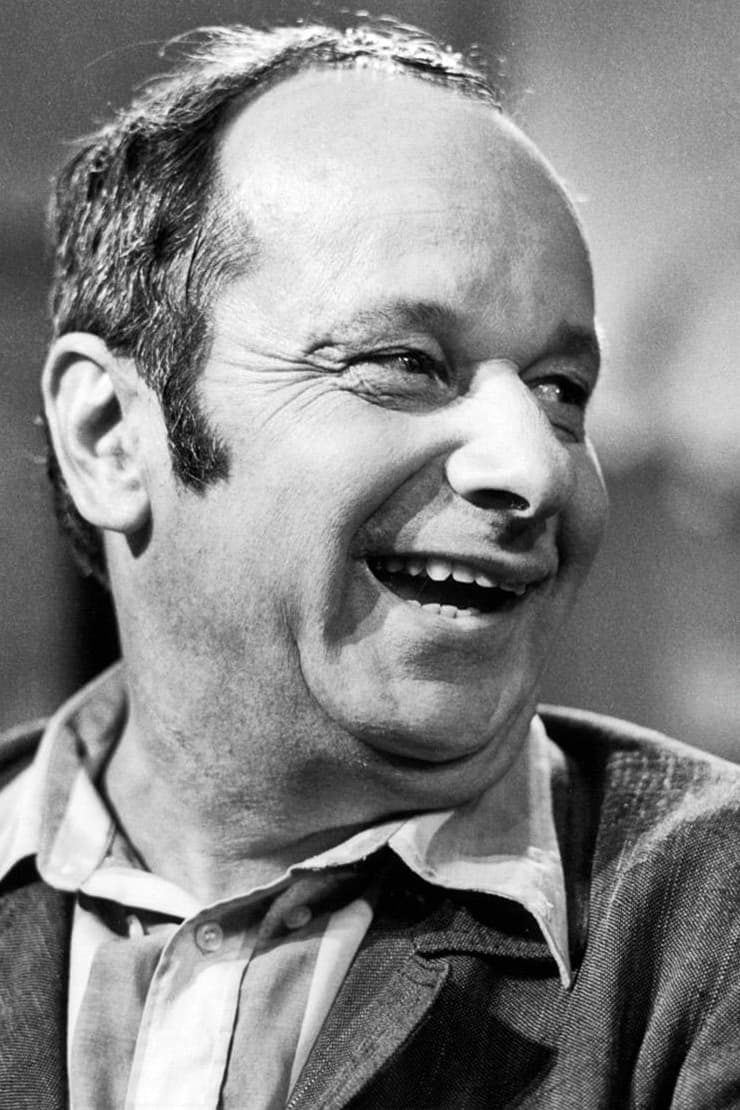
Jean-Louis Bory
- Born
- 1919-06-25
- Died
- 1979-06-11
- Birthplace
- Méréville, Essonne, France
Biography
Jean-Louis Bory (25 June 1919 – 11/12 June 1979) was a French writer, journalist, and film critic. Jean-Louis Bory was born on 25 June 1919 in Méréville, Essonne. The son of a pharmacist and a teacher, he came from a family of teachers. With an atheist father and a non-practicing mother, religion played a minor role in his development. It was rather the Popular Front that formed his character. A brilliant student at Étampes, he entered the Lycée Henri-IV. Just when he was ready to enter the École Normale Supérieure in 1939, he was called up for military service. Returning to the Latin Quarter in October 1942, he passed his agrégation des lettres examinations in July 1945. Two months later, Flammarion published his first novel, Mon village à l'heure allemande, which won the Prix Goncourt with the support of Colette. Its sales of 500,000 copies represented an exceptional success, even as he was assigned a position in Haguenau in the province of Bas-Rhin. The money enabled him to buy from the Countess Cally, his aunt, the property his grandparents has acquired in 1880 in Méréville. It was known as "Villa des Iris", and he renamed it "La Calife" or "The Caliph". His second book (Dear Agle, 1947) proved less successful. In 1948 he was assigned to the Paris region and was able to collaborate at the La Gazette des Lettres with Robert Kanters, Paul Guth and François Mauriac. Politically, he was of that generation disappointed that there was no development from "resistance movement to revolution." He was even solicited by Aragon to join the CPF. But he preferred to limit his membership to quasi-communist groups like the pacifist Mouvement de la Paix, the National Writers Association, and the France-USSR Association. Appointed to the Lycée Voltaire in 1950, he made his debut as a journalism in 1952 in Samedi Soir. But in 1955, he chose to follow his friend Francis Erval to L'Express, which was the mouthpiece of Pierre Mendès France, to whose politics he was increasingly attracted. Moreover, in 1956, he broke with the Communists on Soviet intervention in Hungary against which he signed a petition with Edgar Morin, Gilles Martinet, Jean-Marie Domenach, and Georges Suffert. He also resigned from the Honorary Committee of the Association France-USSR. This did not prevent him from promoting its third-world anti-colonialist positions. Thus, in 1960, when his editor Rene Julliard proposed he sign the Manifesto of the 121, he did not hesitate and found himself suspended from the professorship he had held at the Lycée Henri-IV since 1957. He was reinstated after a few months, but this event marked a rupture in his relationship with the teaching profession for which he had always had the utmost respect. His students gave him a great deal of satisfaction, and it was not uncommon to hear the cry of joy "Mom, I've got Bory", as Michel Cournot remembered according to an article published after Bory's death in the Nouvel Observateur. ... Source: Article "Jean-Louis Bory" from Wikipedia in English, licensed under CC-BY-SA 3.0.
Known For
Filmography
15 titles · Newest first · Cast and crew credits
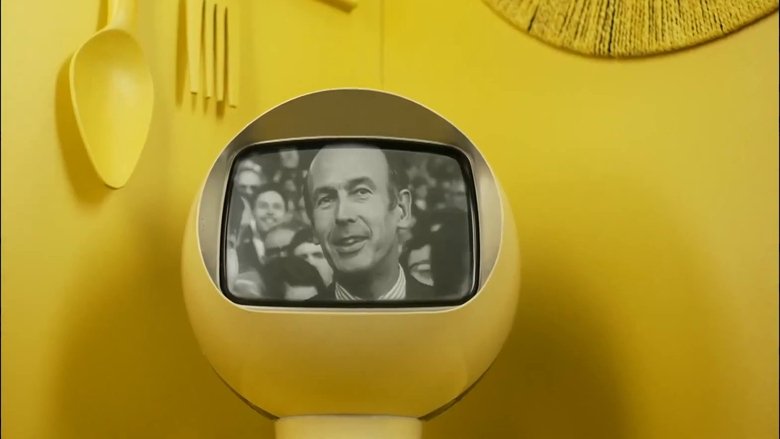
La TV des 70's : Quand Giscard était président
2022 · Movie
Self (archive footage)
Morceaux de Cannes
2021 · Movie
Cast

D'Artagnan amoureux
1977 · TV Show
Writer · Creator
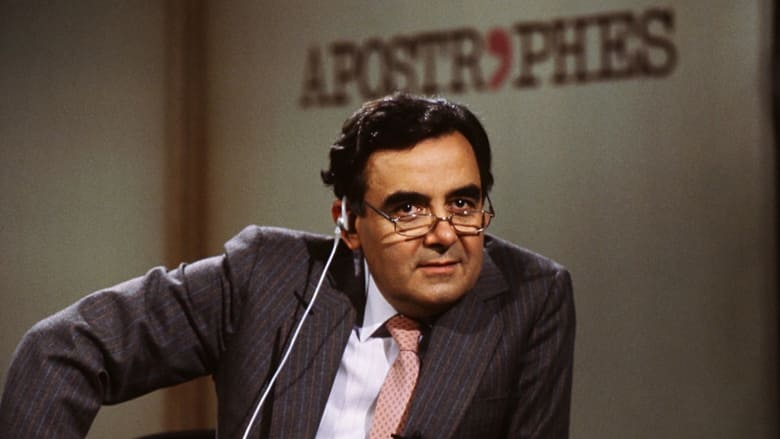
Apostrophes
1975 · TV Show
Self
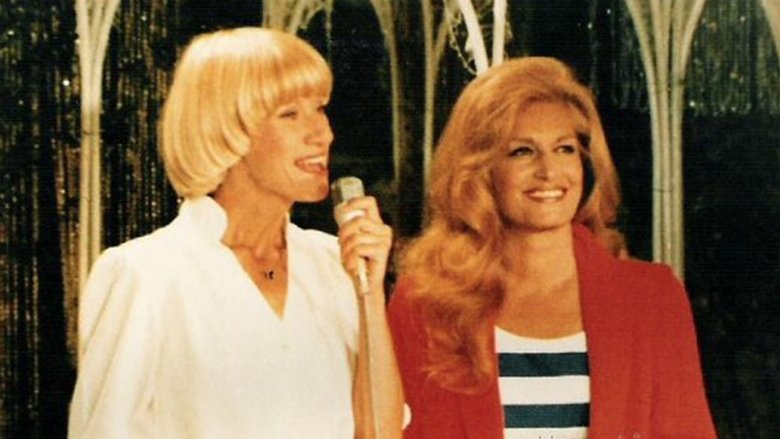
Midi Première
1975 · TV Show
Self

Spécial cinéma
1974 · TV Show
Self (archive footage)
La Mare au diable
1972 · Movie
Adaptation
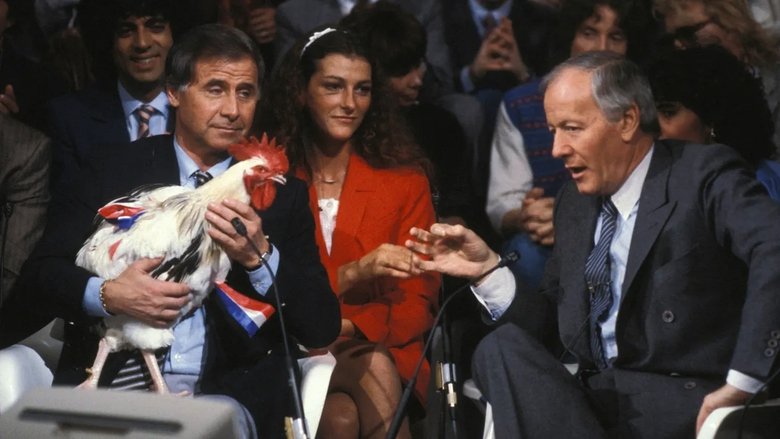
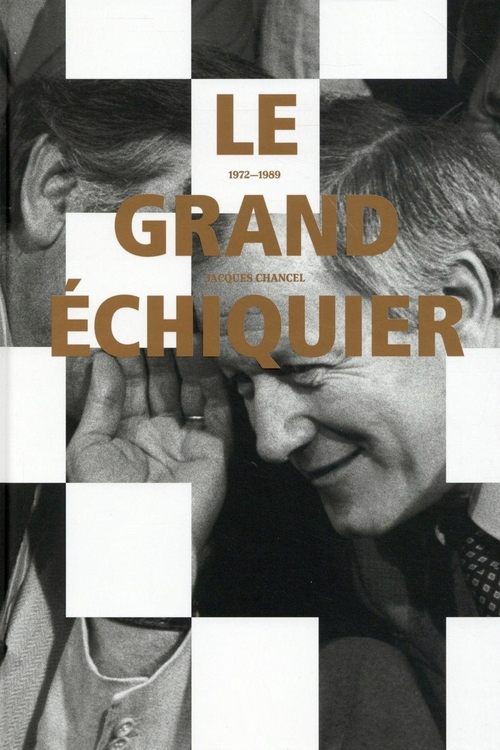
Le Grand Échiquier
1972 · TV Show
Self
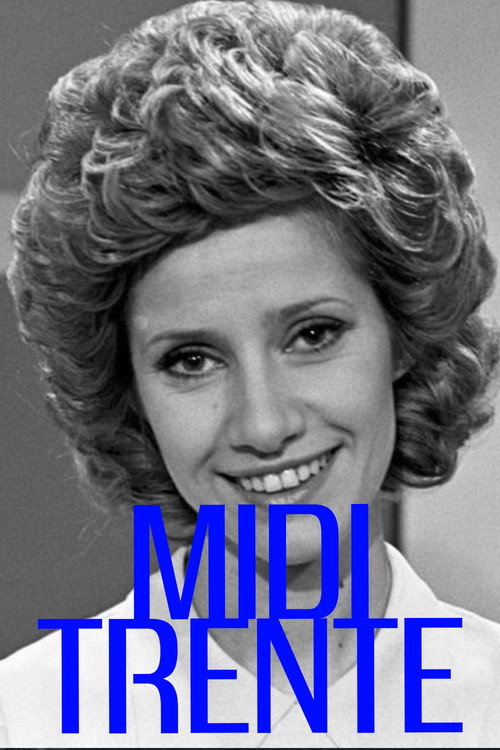
Midi trente
1972 · TV Show
Self
Samedi soir
1971 · TV Show
Self
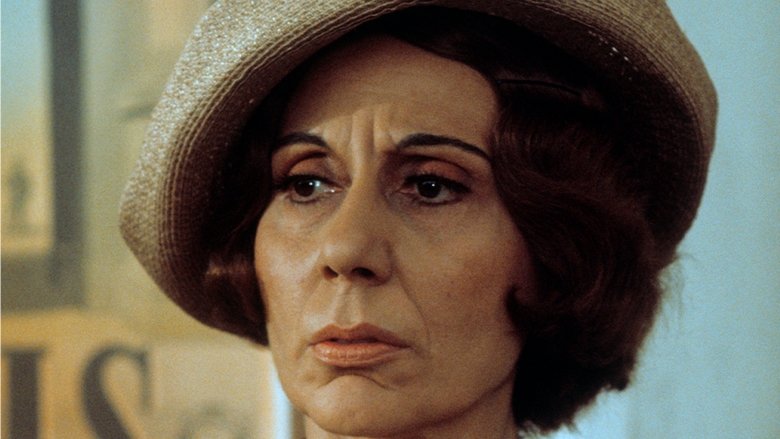
Viper in the Fist
1971 · Movie
Writer

Horizon
1967 · Movie
The cop (uncredited)
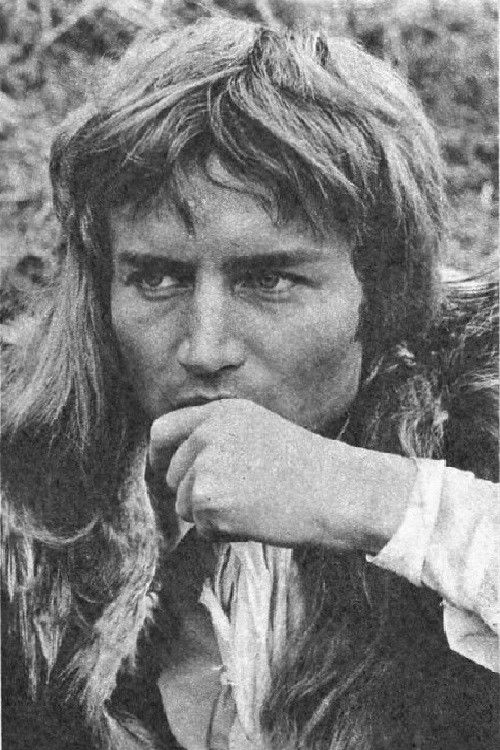
Le Chevalier des Touches
1966 · Movie
Writer

Trap for the Assassin
1966 · Movie
Writer
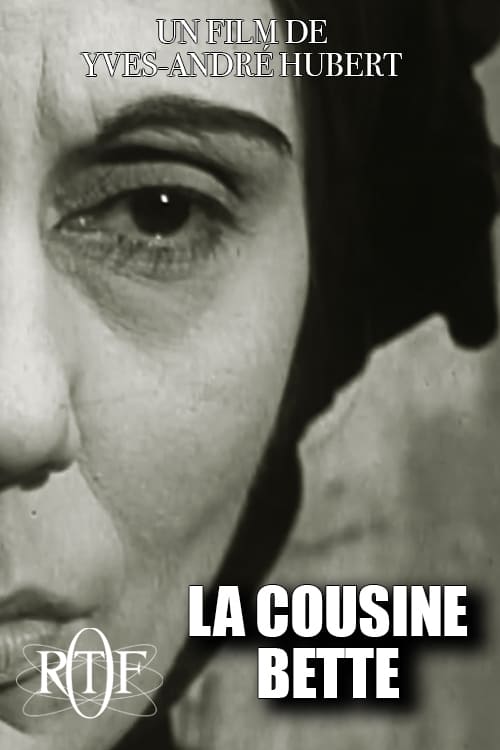
La Cousine Bette
1964 · Movie
Writer