
Sound
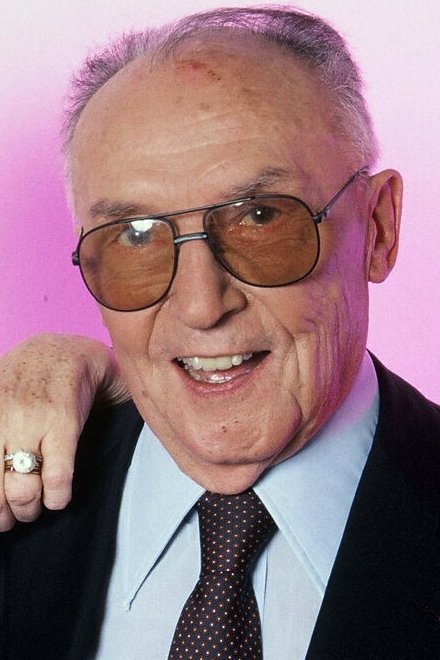
Louis Gasté
- Born
- 1908-03-18
- Died
- 1995-01-08
- Birthplace
- Paris, France
Biography
Louis "Loulou" Gasté (18 March 1908 – 8 January 1995) was a French composer of songs. Louis Gasté was born in Paris in 1908. In his fifty-year career, he composed approximately 1,200 songs, ten of which were internationally successful. In 1929, he played in Ray Ventura's orchestra, and composed several pieces for him. He discovered and launched French singer and actress Line Renaud in 1945, and they married in 1950. He died at Rueil-Malmaison in 1995. In September 1956, Gasté composed "Pour Toi" ("For you") with lyrics by Albert Simonin and his wife Marie-Hélène Bourquin, for the singer Darío Moreno, who sang it in the film Le Feu aux Poudres. It was sung later by Line Renaud, and was reinterpreted in France and internationally by various singers. In 1974, Morris Albert sang it in English and was credited as the original author of "Feelings", launched in São Paulo by Augusta Do Brazil. In 1975, Mike Brant brought it back to France under the title "Dis-Lui" ("Tell her"). In 1976, "Feelings" was a worldwide success and was recorded by Elvis Presley, Frank Sinatra and others. In 1977, Gasté discovered the song was one of his melodies and sued Morris Albert. On 22 December 1988, a court found in favour of Gasté, and he won recognition as the sole creator of the song, gaining seven-eighths of all royalties, with Albert receiving the remainder for his lyrics contribution. Source: Article "Loulou Gasté" from Wikipedia in English, licensed under CC-BY-SA 3.0.
Known For




Filmography
9 titles · Newest first · Cast and crew credits
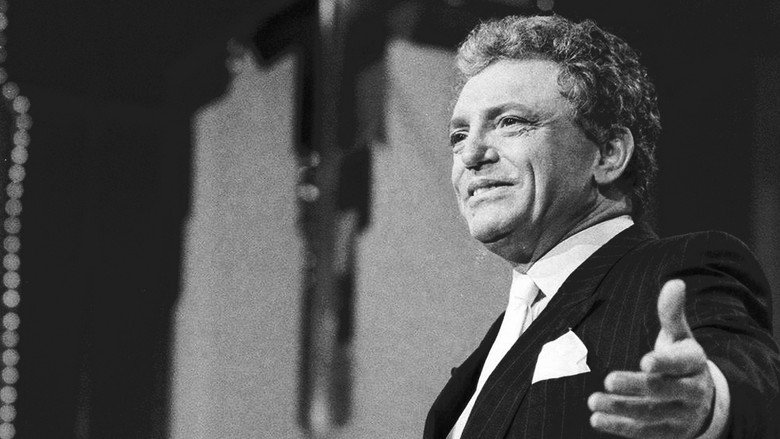
Le monde est à vous
1987 · TV Show
Self

Champs-Elysées
1982 · TV Show
Self
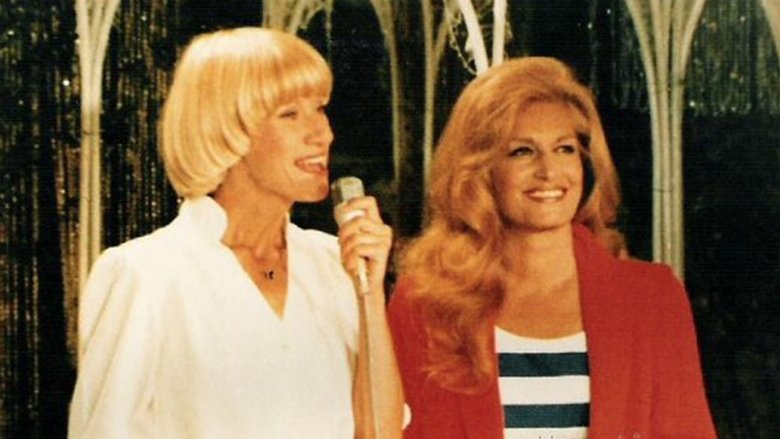
Midi Première
1975 · TV Show
Self
À bout portant
1968 · TV Show
Self
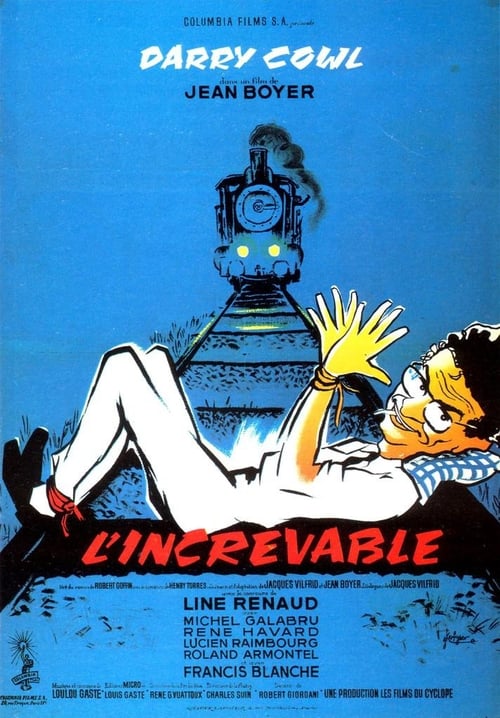
The Indestructible
1959 · Movie
Original Music Composer
Mademoiselle and Her Gang
1957 · Movie
Original Music Composer
Le Chasseur de chez Maxim's
1953 · Movie
Original Music Composer
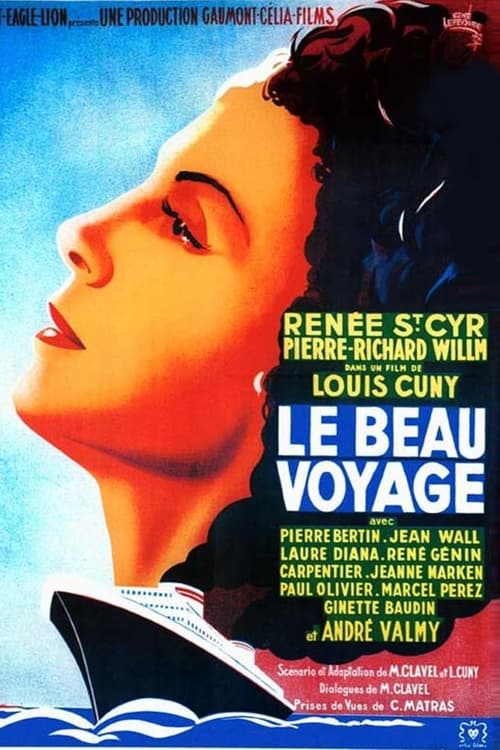
The Beautiful Trip
1947 · Movie
Original Music Composer
Fièvres
1942 · Movie
(uncredited)